 ENGLISH
MEMS acoustic microphone, suitable for multi scene matching!
Release date:2026/7/24 11:20:25
MEMS acoustic microphone (silicon microphone); The audio engineering scenario refers to the acoustic testing and measurement microphone.
1、 Consumer electronics industry (your main business is small appliances/digital/commonly used power tools)
Acoustic microphone=Two mainstream types of MEMS microphones (silicon microphones):
1. MEMS silicon microphone (mainstream acoustic microphone)
-Structure: Silicon diaphragm+ASIC chip, SMT surface mount, high temperature resistance and reflow soldering
-Output: Analog microphone/I2S digital microphone
-Advantages: Small size, high consistency, anti RF interference, suitable for multi microphone arrays (ENC noise reduction, ANC active noise reduction)
-Applications: TWS earphones, smart speakers, voice remote control for small appliances, recorders, Bluetooth solutions
2. ECM Electret Microphone (Old style Acoustic Microphone)
-Cannot reflow solder at high temperatures, mostly lead soldering; low cost
-Disadvantages: Large parameter dispersion, poor consistency in large quantities, gradually replaced by MEMS
Key parameters (key focus of procurement selection)
-SNR signal-to-noise ratio (dB): The higher the value, the smaller the background noise. For speech products, it is recommended to have a SNR of ≥ 62dB
-Sensitivity (dBFS): Common -26dB~-42dB
-Directionality: The vast majority of omnidirectional microphones; A few directional microphones
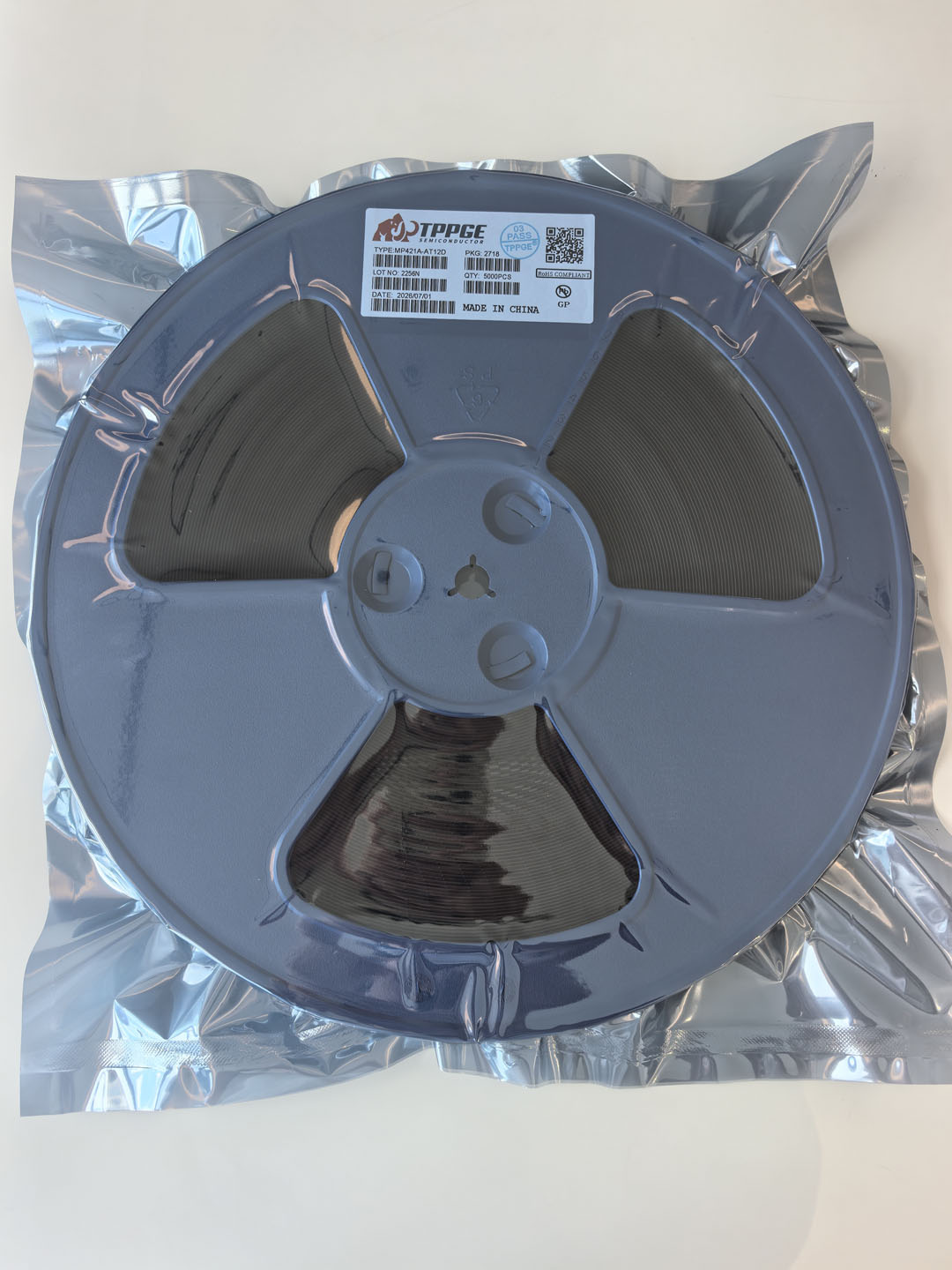
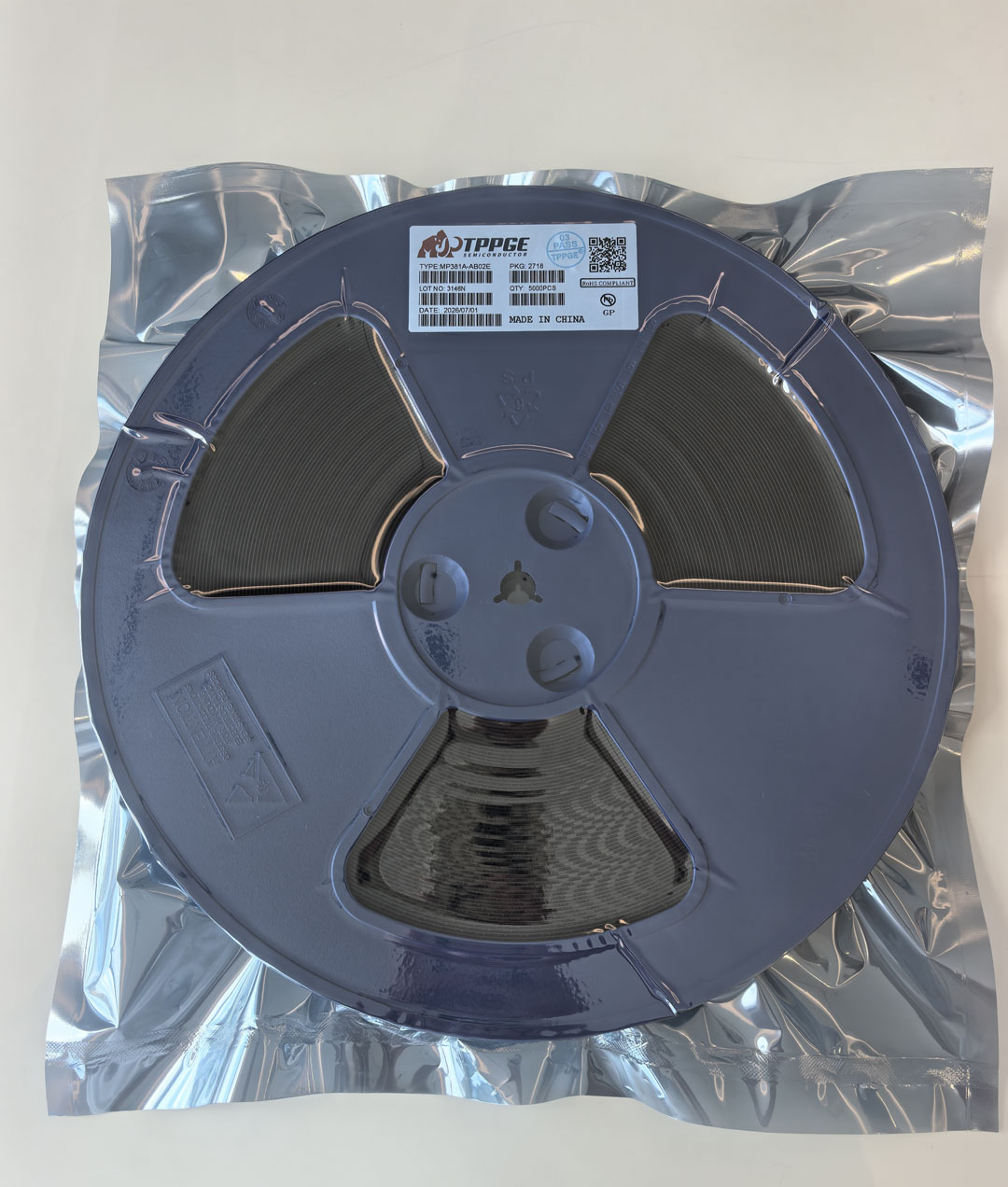
-Packaging: Surface mount specifications such as 3729, 3526, 2718, etc
2、 Acoustic testing field: Acoustic measurement microphone
Professional testing microphone, used for speaker calibration, sound field testing, RTA spectrum analysis
Features: Extremely flat frequency response, fully directional, with accompanying calibration files, not suitable for daily call recording.
3、 Simple distinction:
✅ Procurement of electronic product solutions (small appliances, Bluetooth, remote control) → MEMS acoustic silicon microphone
✅ Tuning, sound testing, sound field curve measurement → Acoustic measurement microphone
4、 Supplementary industry terminology:
-Front cavity acoustic microphone and rear cavity acoustic microphone: Refers to the position of the microphone inlet hole (top inlet/bottom inlet), and structural differences directly affect the acoustic design of the cavity, which must be confirmed before board making.
-Analog acoustic microphone/digital acoustic microphone: The digital microphone has an ADC built-in and outputs I2S; The analog microphone requires an external codec.